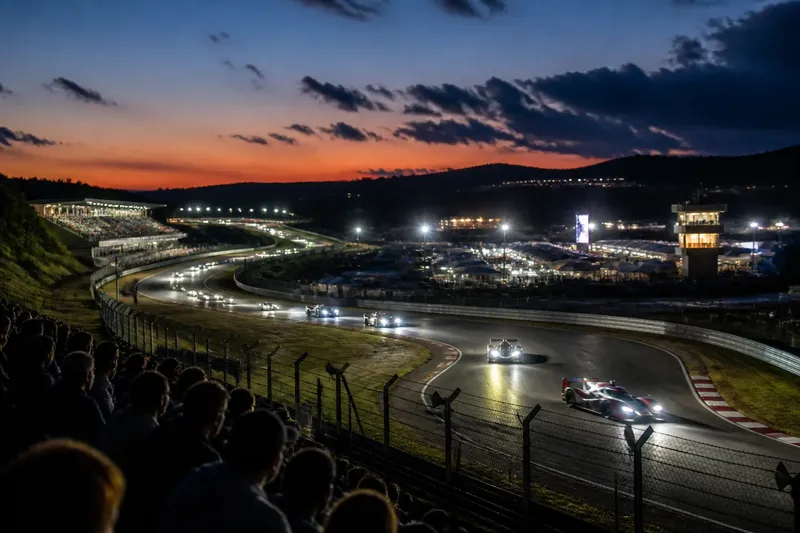
A First Day at an Endurance Race: Make a Viewing Plan That Can Change
An endurance race viewing plan helps first-time spectators choose useful vantage points, take proper breaks, and enjoy the race without chasing every lap.
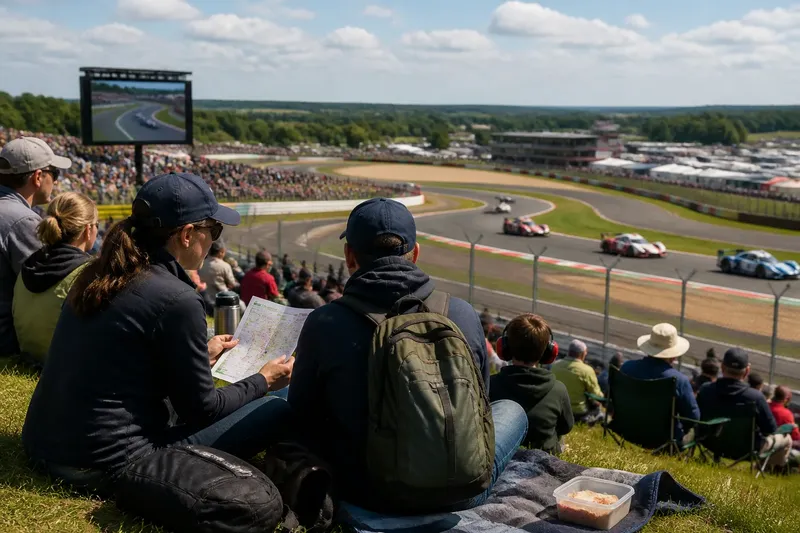
The most common mistake at an endurance race is trying to watch every lap from one place; it costs you the race’s variety and most of your energy. An endurance race viewing plan works better when you choose a few moments that matter, then leave room to eat, sit down, and change your mind. The cars will continue without your supervision.
Before you arrive, check the event schedule, venue map, entry rules, and transport information. Mark the start, a likely meal break, and one later moment you want to see. Then choose a few viewing areas that suit your circumstances, rather than plotting a grand tour of the circuit. A circuit map is a guide to access, not a promise that every path is short or open.
Plans For Different Days
The right plan depends less on how devoted you are than on what you want from the day and what you can comfortably manage. Use the situation that sounds closest as a starting point, not a contract.
- If you are new to endurance racing: Stay near the start long enough to learn the track’s rhythm, then move once to a place where you can watch cars approach, brake, and accelerate away. If the new spot gives you a clear view of that sequence, stay; if fencing or a poor sightline blocks it, choose another accessible viewing area.
- If you came for a particular team or driver: Find a viewing area with a screen or timing display, if the venue provides one, and check official event information for how entries and driver changes are identified. If you can follow the entry there, make it a base; if not, use an official app or commentary and choose a second activity that does not depend on catching every appearance.
- If you are bringing children or a group with mixed interests: Set a recognizable return point and agree on when to regroup. If the route, food options, and seating work for everyone, keep the group together there; if walking becomes tiring or interests diverge, take a break or split only after agreeing on a clear meeting plan.
- If walking is difficult, or you want a quieter day: Ask venue staff about accessible routes, seating, and transport before settling in. If one area meets your access and comfort needs, make it your base and use a screen, radio commentary, or timing feed for context; if it does not, ask staff about a suitable alternative rather than attempting an uncertain route.
- If you are there mainly for the atmosphere: Spend time near the start, fan areas, or public paddock-facing spaces where access is permitted, then return to the track for a later phase. If the atmosphere is what you came for, stay where it is strongest; if the crowds become tiring, take a quieter break and return when you want.
- If weather changes: Check the forecast and event notices, then look at the shelter and surface conditions at your chosen area. If the spot remains comfortable and safe, stay; if rain, heat, or wind makes it unpleasant, use a sheltered or more comfortable location and follow venue staff directions.
For venue access, permitted items, transport, and accessibility, follow the event’s current information and staff directions. Conditions and rules differ between circuits, so a plan copied from another event may fit about as well as someone else’s rain jacket.
Three Useful Anchors
Give the day a few anchors: the race start, one chosen point later on, and a final return that fits your departure. The anchors can be broad. You might want to see the opening formation and start, watch a favorite car pass through a particular corner, then return for the closing phase. You do not need to attach each one to an exact minute.
Between anchors, let the schedule and your energy decide. If a support race, pit-lane activity, or fan event interests you, use it to break up track viewing. If not, skip it. A printed program or official event app can help you see what is happening, but the useful question is whether it changes where you want to be.
Say you arrive for the start at a grandstand near a screen, and the crowd is thicker than you expected. You check the map, take a meal break, and return to an open general-admission area with a clear view of a corner; the result is a different perspective on the race without spending the afternoon squeezing between spectators.
Choose A Useful View
Each viewing area gives you a different kind of information. A grandstand can make it easier to follow the same section of track and consult a screen. A general-admission bank may offer a broader sightline, but the view and available seating can vary. A corner can reveal how cars position themselves under braking; a long straight may make speed and spacing easier to read.
On arrival, check what is actually visible from your chosen spot. Look for fencing, screens, shade, seating, and a safe route in and out. If the view and route match what you need, stay; if fencing, crowding, or access changes the picture, ask an usher about an alternative. A colored line on your phone is not a personal transport department.
Choose one place for a while before moving on. From a stable viewpoint, you can notice how different cars behave through the same corner, how traffic changes the scene, and how the pack stretches or compresses. Moving constantly trades that developing picture for brief glimpses and a steady search for the next gate.
When Should You Move?
How long should you stay in one place?
Stay until you understand what the location offers, then move if a new view would add something you care about. There is no useful minimum; shade, comfort, crowding, and interest matter more than completing an imagined circuit tour.
What if you miss a major moment?
Return to the race rather than trying to reconstruct every detail from passing conversations. Check an official timing display or event update if available, then choose the next point you want to follow. Endurance racing supplies another stretch of action; it does not require a perfect attendance record.
Should you follow a schedule or the live race?
Use the event schedule for fixed activities such as gates, support sessions, or transport, and let the live race guide the rest. If a close contest or disruption holds your attention, stay put; if a fixed activity matters more, move when it is time to go.
How do you keep a group together?
Agree on a recognizable meeting place, a return time, and a backup way to communicate before people separate. If everyone can reach the meeting point and phone reception works, use that plan; if reception is poor or someone cannot manage the route, choose a staffed, accessible point and regroup there instead.
Breaks As Part Of The Day
Breaks work best when they are planned as part of the day, not treated as a failure to watch. Choose a meal or rest period that does not collide with your main anchor, and identify a nearby place to sit. Carry water and any personal essentials you normally need, while following the venue’s rules for bags and outside food.
Use a break to reset your attention. Eat, sit, and look at the schedule or timing information only if it helps you decide what to do next. You might return to the same area, switch to a screen for context, or stay away from the track for a while. The race does not become less real because you are having lunch.
For a first visit, avoid treating every public path as a challenge to complete. Spectator areas may be separated by long routes, restricted access, or elevation changes. Choose one move that earns its effort, such as changing from a start-line view to a corner, and leave the rest for another visit.
Carry Less And Notice More
A useful day bag is small enough that you do not resent carrying it. Consider a charged phone, event information, a portable charger if you rely on your phone, ear protection, sun or rain protection suited to the forecast, and any medication or accessibility items you personally need. Check the venue’s prohibited-items list before packing; a bag full of hopeful solutions can create its own queue.
Ear protection is worth considering near loud track sections, especially for children or anyone sensitive to noise. Sunglasses, a hat, and a light rain layer can also make it easier to stay outdoors when conditions change. These are comfort choices, not a reason to ignore the forecast or the event’s advice.
What is not worth the effort is trying to watch every camera feed, memorize the full timetable, or carry equipment for a photograph you may never take. Choose one way to follow information beyond the track—a screen, official app, or radio commentary—and keep your attention available for the cars in front of you.
Leave Room For Change
Before leaving home, save the venue map and event schedule for offline use if possible, and note your entry point and preferred exit. At the circuit, update the plan when a route is closed, a viewing area is crowded, the weather changes, or your group needs a break. If the expected view is poor, move to a practical alternative rather than spending the afternoon defending a choice made before you saw the place.
A useful endurance race viewing plan is one you can revise without losing the thread of the day. Keep a few anchors, choose viewing spots for the kind of action you want to see, and leave empty space between them. Before you head out, make sure your exit route is clear in the event information; a flexible day is easier to enjoy when leaving is part of the plan.